Back to all articles

Why Direct Feedback Matters for Founders
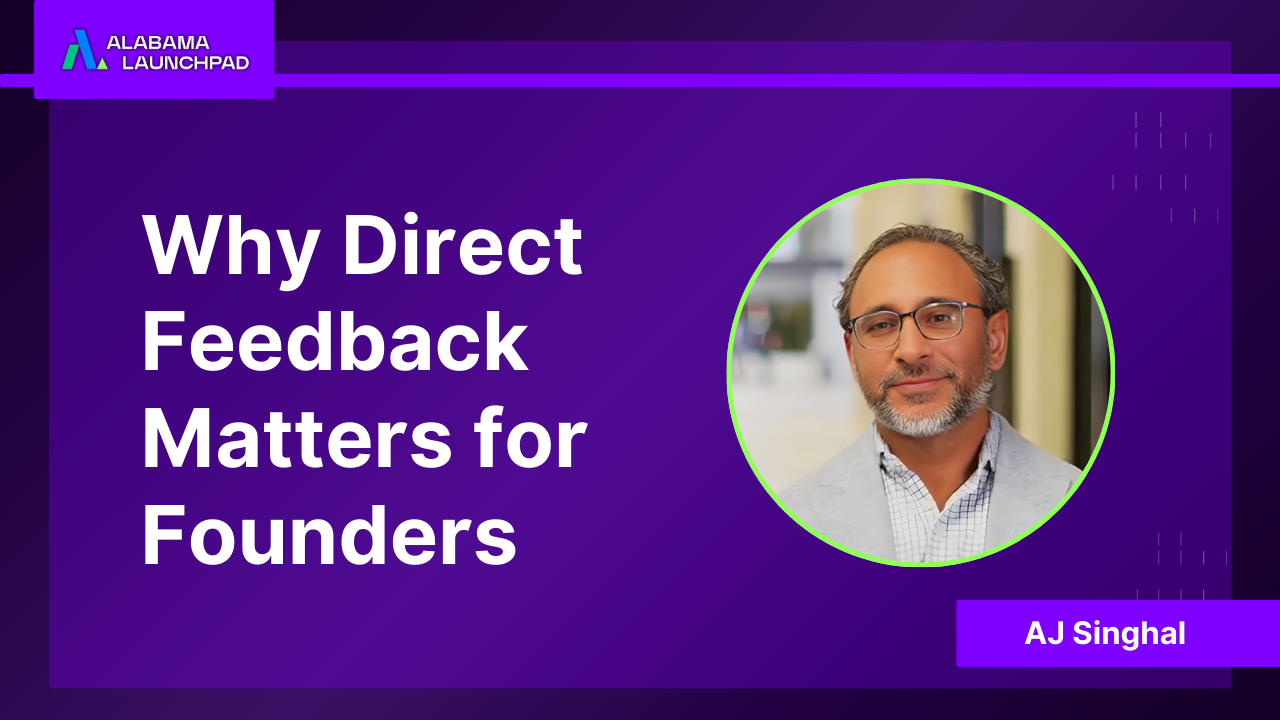
Founders often pitch, wait, and hear nothing useful. In this conversation, AJ Singhal founder and CEO of Com Therapeutics describes how Launchpad’s direct, honest feedback helped him move faster at a critical moment: preparing an FDA application for first-in-human clinical trials while raising capital and engaging potential pharma partners. Coaching focused on clear messaging, pitch structure, and the granular budgeting needed for subsequent trials and full clearance. The result was tighter communication, stronger confidence, and a more defensible plan. AJ’s experience underscores a universal founder truth: meaningful progress happens when iteration meets practical critique feedback you can apply the same day to sharpen strategy, clarify milestones, and present your company with conviction.

Key Takeaways

Investors rarely provide clear feedback, leaving founders with guesswork.

AJ notes that many investors “just pass…or stop replying” without pointing to specific improvements.

Launchpad’s pitch coaching helped refine communication and tighten strategy.

Targeted coaching improved messaging and business-plan details at a pivotal FDA stage.

Direct critique can accelerate preparedness for FDA submissions and fundraising.

Blunt, actionable notes translate into clearer tasks, budgets, and milestones.

Founders benefit from repeatedly iterating on their message.

Iterate, get feedback, improve then do it again.

Honest guidance increases confidence and clarity.

Clarity in story and plan strengthens first impressions with investors and partners.

“It’s hard to get feedback actually when you pitch… they’ll just pass or just stop replying to you and they never tell you where you can improve.”


The Feedback Gap Most Founders Face

If you’ve pitched investors, you’ve likely met the silence: a pass with no notes, or no reply at all. Without specifics, you’re left to guess which part of the story missed market, milestones, or risk. AJ Singhal, founder and CEO of Com Therapeutics in Huntsville, Alabama, put words to this gap: real feedback is rare, and that slows learning. What changed for him inside Launchpad was the directness of the coaching specific, honest, and immediately usable. That kind of critique replaces guesswork with execution.

Turning Coaching into FDA and Fundraising Readiness

Timing matters. When AJ joined Launchpad, his team was “about to submit” an FDA application to begin clinical trials in humans. In parallel, they were raising capital and cultivating pharma relationships. Coaching focused on two fronts: (1) pitch clarity what to say, how to say it, and in what order; and (2) business granularity budgeting for subsequent trials, projecting the funding required to reach market, and mapping a realistic path through clearance. This dual focus helped align scientific milestones with financing asks, so the next dollars could move the program measurably forward.

Sharpening the Story: From Personal Pain to Clinical Plan

Com Therapeutics was born from a real problem: managing children’s eczema with steroid creams, wraparounds, and ad-hoc coverings. The company’s all-in-one therapeutic patch aims to deliver a natural anti-inflammatory compound over 24 hours while physically protecting sensitive skin from friction, irritants, and bacteria. Framed well, that origin anchors a clear value proposition; framed poorly, it can sound like yet another patch. Coaching helped translate a personal insight into an investable narrative: mechanism, intended use, comparative advantage, and the near-term clinical plan. That clarity strengthens first impressions with investors and potential acquirers.

Iteration, Reflection, and Honest Critique

AJ points to two reinforcing truths. First, blunt feedback is rare and precious; second, ideas don’t arrive fully formed. The way forward is cyclical: present, receive critique, refine, and repeat. In practice, that means more pitch reps sometimes with coaches, sometimes with peers until the story lands with crispness and confidence. It also means building time for iteration into your operating rhythm, especially before key inflection points like an FDA submission or partnership meeting. The goal isn’t perfection; it’s continuous improvement toward a plan others can underwrite.

Practical Takeaways for Decision-Makers and Aspiring Learners

  • Ask for specificity. Push for clarity on what’s unclear, risky, or unconvincing in your deck.
  • Tie budgets to milestones. Granular spend linked to trial phases reads as credible and investor-ready.
  • Lead with clinical reality. Clearly articulate indication, mechanism, endpoints, and next study design.
  • Practice the first two minutes. First impressions define the rest own the setup and the ask.
  • Institutionalize iteration. Schedule practice sessions; don’t wait for chance meetings to get reps.

FAQs

Why do investors’ passes rarely include feedback?

Short answer: Many investors avoid detailed critiques to save time or sidestep debate, leaving founders to infer what missed. Long answer: Funds review hundreds of pitches; detailed notes can invite protracted back-and-forth or legal sensitivity. As AJ observed, you’ll often get a pass or silence without pointers. That’s why deliberate coaching and peer review are vital: they simulate investor scrutiny, surface the weak points in your story, and give you actionable edits before the high-stakes meeting.

How did coaching translate into FDA preparedness?

Short answer: It aligned messaging with regulatory milestones and tightened budgets for near-term trials. Long answer: With an FDA application imminent, coaching zeroed in on clarity: indication, pathway, endpoints, and what the next dollars unlock. It also pressured-tested trial budgets and downstream funding needs, reinforcing a plan that investors and partners can evaluate quickly. The result is a story that reads as operationally ready, not just scientifically compelling.

What kind of feedback helped the most?

Short answer: Direct, honest, immediately actionable critique. Long answer: Vague encouragement doesn’t sharpen decisions. AJ highlights the value of coaching that names the issue confusing slide flow, fuzzy economics, or under-explained risk and prescribes a fix you can implement the same day. That cadence builds confidence and improves first impressions with investors and business partners.

How should founders turn a personal story into an investable pitch?

Short answer: Connect origin to mechanism, evidence, and a near-term clinical plan with clear asks. Long answer: Personal pain creates relevance, but investors buy into execution. Frame the problem, explain how the product works, show what’s been validated, and specify the next study and budget. That structure converts empathy into diligence-ready milestones especially important for therapeutic or device pathways.

What’s one practice change to make this week?

Short answer: Add two structured pitch reps with requested “red-pen” edits before your next investor meeting. Long answer: Schedule time with a coach or trusted peers and ask for ruthless specificity: “Which slide confuses you? What risk feels unpriced? What’s missing for FDA clarity?” Capture edits, re-record your opening two minutes, and compare versions. Repetition plus precise critique compounds quickly into a tighter narrative and stronger presence.

Contact Us

Don’t do it alone. Pair your team with advisors who’ve walked your exact path, and use early capital to generate reproducible validation data. Call us today at (205)943-4700 and get started.

More About Alabama Launchpad

Established in 2006, Alabama Launchpad is Alabama’s most active early-stage seed fund investor, driving innovation and job growth through startup competitions and ongoing mentoring for Alabama entrepreneurs. . It is the state’s longest-running business plan and pitch competition. Over the past 19 years, Alabama Launchpad has invested more than $6.6 million in 124 Alabama startups. The winning startup companies have generated more than 1,600 jobs for the state and have a combined post-money valuation of more than $1 billion.

More About Our Partner, Innovate Alabama

Innovate Alabama is Alabama’s first statewide public-private partnership focused on entrepreneurship, technology and innovation with a mission to help innovators grow roots here in Alabama. Innovate Alabama was established to implement the initiatives and recommendations set forth in the Alabama Innovation Commission’s report, including smart policy solutions that will create a more resilient, inclusive and robust economy to remain competitive in a 21st-century world. With founding CEO Cynthia Crutchfield leading the charge, Innovate Alabama is also made up of a board of 11 innovation leaders appointed by Gov. Ivey, collaborating across sectors to advance industries, drive technology and facilitate an environment where innovation and entrepreneurship thrive. Learn more about Innovate Alabama at www.innovatealabama.org.