Back to all articles

Nitrogen Management: 10 FAQs with SentinelAg
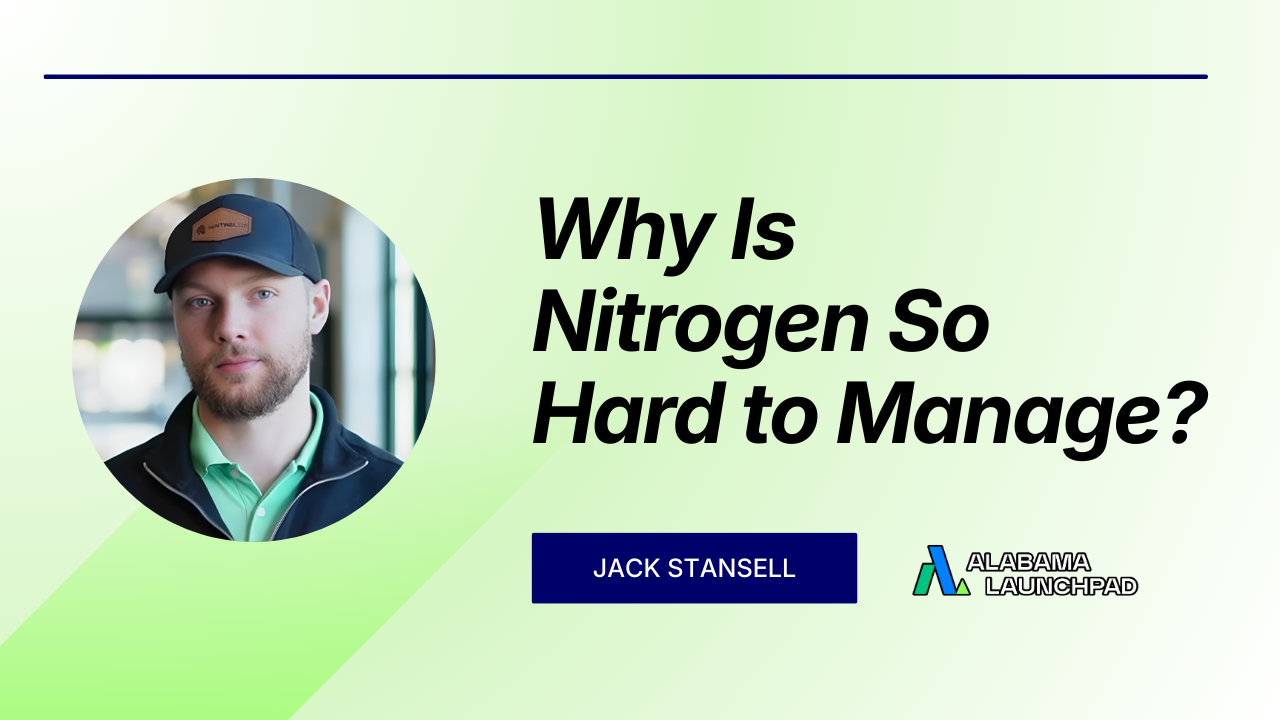
Nitrogen drives yield, costs real money, and is notoriously elusive once in the environment. It moves with water running off, leaching, or volatilizing so fixed, pre-season plans often misfire when weather and soils don’t cooperate. SentinelAg helps farmers and advisors make better in-season decisions by pairing satellite imagery with crop/soil nitrogen modeling to track status and alert when fields trend short. In multi-year work and commercial use, growers have seen $23–$40 per acre profit gains along with improved efficiency, proving that real-time guidance can protect margins without overapplying fertilizer. Onboarding is straightforward: contact, set up fields, calibrate, and start receiving actionable alerts. These FAQs collect founder Jack Stansell’s answers to the questions decision-makers ask most.

FAQs

Why is nitrogen so hard to manage?

Short answer: Because nitrogen moves through soil with water running off, leaching below the root zone, or volatilizing so timing and placement are difficult. Long answer: Stansell explains that nitrogen in plant-available forms follows the water cycle: rainfall can push it beyond roots or off fields, and surface exposure can drive atmospheric losses. The same mobility that makes N accessible also makes it elusive. That volatility creates a management paradox: enough N to secure yield, but not so early or so much that it’s lost before plants can use it. Precision requires real-time awareness, not just a pre-season guess.

What are the financial risks of outdated nitrogen plans?

Short answer: Fixed plans lead to over- or underapplication as conditions change, wasting input dollars or sacrificing yield. Long answer: Most operations set rates and timings before the season for budgeting and logistics. But weather, soils, planting dates, and hybrid differences change in-season need. Static plans often store nitrogen in the soil where it’s prone to loss, or starve the crop during critical uptake windows either way, profit suffers. Stansell notes growers using standard practice can leave tens of dollars per acre on the table when conditions diverge from the plan.

How does SentinelAg improve nitrogen decisions?

Short answer: It pairs satellite imagery with crop/soil modeling to track in-season N status and alert when fields trend short. Long answer: After fields are enrolled and calibrated, SentinelAg ingests imagery and agronomic context (e.g., planting date, maturity) to estimate sufficiency across the season. Users receive text/email alerts and dashboard views that indicate where and when adjustments will pay. The aim is maximum dollar return per acre, aligning pounds and timing to actual crop need rather than assumptions a practical guide for farmers and the agronomists who advise them.

How much profit can real-time nitrogen management add?

Short answer: Trials and commercial fields show about $23–$40 per acre improvements versus standard practice. Long answer: In multi-year, on-farm work that predated the company, the approach improved profitability by roughly $23/acre with ~25% efficiency gains. Since 2022, fields enrolled on the Sentinel platform have averaged +$27 to +$40/acre compared to growers’ usual programs. In today’s tight margins, that delta often marks the difference between red and black. The gains come from dialing rate and timing to what the crop can actually use.

Is SentinelAg difficult to use?

Short answer: No. Contact the team, set up fields, calibrate, and receive automatic alerts then adjust as needed. Long answer: SentinelAg works through a certified service provider network. After you reach out, you’re matched with a provider who helps define fields, establish an initial plan, and calibrate the model to local conditions. From there, imagery turns on and alerts begin, pointing to zones and timings where N is likely short. The workflow is built for busy operators: clear notifications, simple views, and support from advisors who know your production system.

Does nitrogen mismanagement affect the environment?

Short answer: Yes runoff, leaching, and emissions have environmental and public health implications. Profit still drives most decisions. Long answer: Stansell notes links between nitrates in water and issues such as Blue Baby Syndrome and other public health concerns, alongside climate-relevant atmospheric losses. Better timing reduces the window for loss, keeping nutrient available to roots and out of waterways and air. While many farms prioritize ROI, stewardship benefits align with profit when you avoid storing N in soil and apply closer to uptake.

Who benefits most from SentinelAg?

Short answer: Row-crop decision-makers and agronomists who manage nitrogen across variable soils, weather, and hybrids. Long answer: The platform is designed for farmers and the agronomic advisors who guide them. Because nitrogen dynamics change across fields and seasons, in-season visibility matters most where variability is high. That includes both irrigated and rain-fed systems an intentional focus as the company expands from its Nebraska roots into the Southeast’s mixed production systems.

What does onboarding look like?

Short answer: Contact → match with a certified provider → field setup and calibration → imagery on → real-time alerts. Long answer: Getting started is straightforward. After you reach out, SentinelAg connects you with the nearest certified service provider. Together, you select fields, establish an initial plan, and calibrate the model. Imagery activates, and you begin receiving texts/emails when a field trends short. The provider remains in the loop to help translate alerts into rate/timing decisions that match your equipment and logistics.

Does SentinelAg replace agronomists?

Short answer: No. It augments agronomists with better data and timely alerts. Long answer: SentinelAg positions farmers as the hero and the platform as a guide. Advisors stay central using status maps and notifications to target scouting, refine rates, and justify changes with evidence. The system’s value is making expert judgment faster and more confident, not removing it. Real-world decisions still rely on context: equipment, weather windows, and broader crop plans.

Why switch from fixed plans to real-time management?

Short answer: Because conditions change; real-time guidance reduces waste, protects yield, and improves margins. Long answer: A pre-season plan is necessary, but not sufficient. Rainfall, temperature, and soil differences shift in-season need, and static programs can misallocate N. SentinelAg enables responsive management adjusting to what the crop needs now. Since 2022, enrolled fields have realized +$27–$40/acre gains on average versus standard practice, demonstrating how dynamic decisions translate into measurable ROI.

Conclusion

Nitrogen is essential, expensive, and mobile a combination that punishes static management. By using satellite imagery and crop/soil modeling to see the season as it unfolds, growers can time and size applications for profit while reducing loss. The process is simple to adopt and designed to support, not replace, agronomic expertise. For decision-makers under pressure to protect margins, real-time nitrogen management is a practical upgrade.

Contact Us

Don’t do it alone. Pair your team with advisors who’ve walked your exact path, and use early capital to generate reproducible validation data. Call us today at (205)943-4700 and get started.

More About Alabama Launchpad

Established in 2006, Alabama Launchpad is Alabama’s most active early-stage seed fund investor, driving innovation and job growth through startup competitions and ongoing mentoring for Alabama entrepreneurs. . It is the state’s longest-running business plan and pitch competition. Over the past 19 years, Alabama Launchpad has invested more than $6.6 million in 124 Alabama startups. The winning startup companies have generated more than 1,600 jobs for the state and have a combined post-money valuation of more than $1 billion.

More About Our Partner, Innovate Alabama

Innovate Alabama is Alabama’s first statewide public-private partnership focused on entrepreneurship, technology and innovation with a mission to help innovators grow roots here in Alabama. Innovate Alabama was established to implement the initiatives and recommendations set forth in the Alabama Innovation Commission’s report, including smart policy solutions that will create a more resilient, inclusive and robust economy to remain competitive in a 21st-century world. With founding CEO Cynthia Crutchfield leading the charge, Innovate Alabama is also made up of a board of 11 innovation leaders appointed by Gov. Ivey, collaborating across sectors to advance industries, drive technology and facilitate an environment where innovation and entrepreneurship thrive. Learn more about Innovate Alabama at www.innovatealabama.org.